
© Lizeo
The New York International Auto Show 2024: An overview of trends and revelations
- Non classé
- By Casey Wall, Kellan McKinney
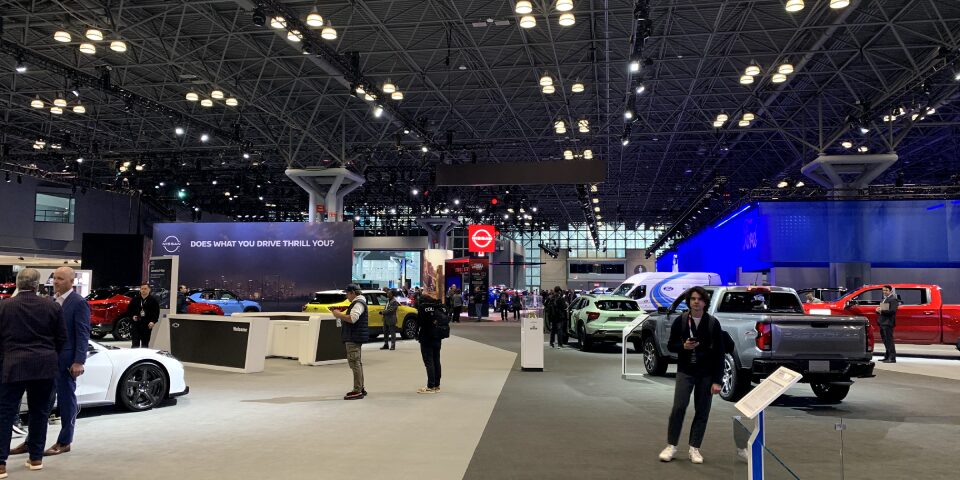
From March 29th to April 7th, the Javits Convention Center in the heart of Manhattan hosted the New York International Auto Show (NYIAS) for its latest edition. Notably, the event provided automotive enthusiasts from around the world with the opportunity to discover the latest innovations and trends in the industry. However, this year, the show presented a somewhat different picture compared to what attendees of European shows might expect.
A Contrasting Presence of Brands
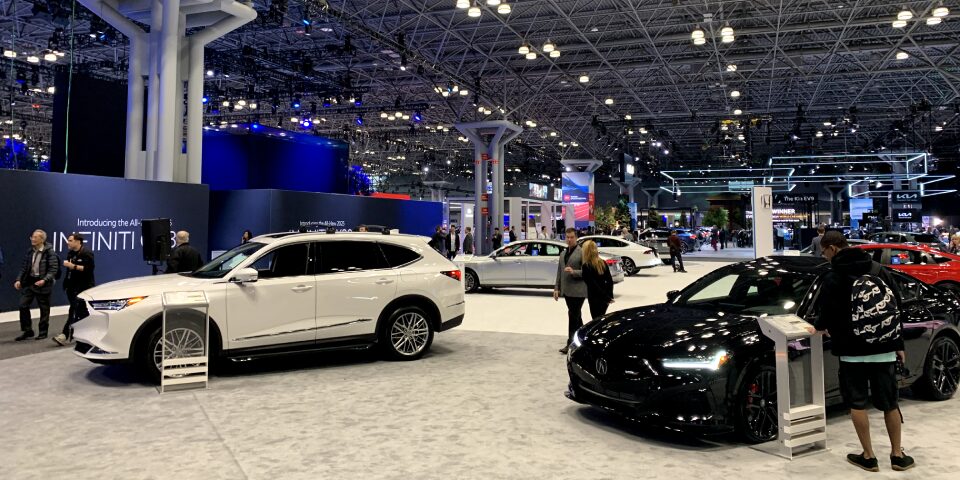
Unlike European shows that attract a wide range of global brands, the NYIAS primarily highlighted American brands. For instance, iconic names like Ford, Chevrolet, and GM were present, while European brands were noticeably underrepresented. Among them, only a few made the effort to attend, notably Porsche, Audi, and Volvo, with modest booths. Volkswagen, on the other hand, stood out by occupying a large exhibition space.
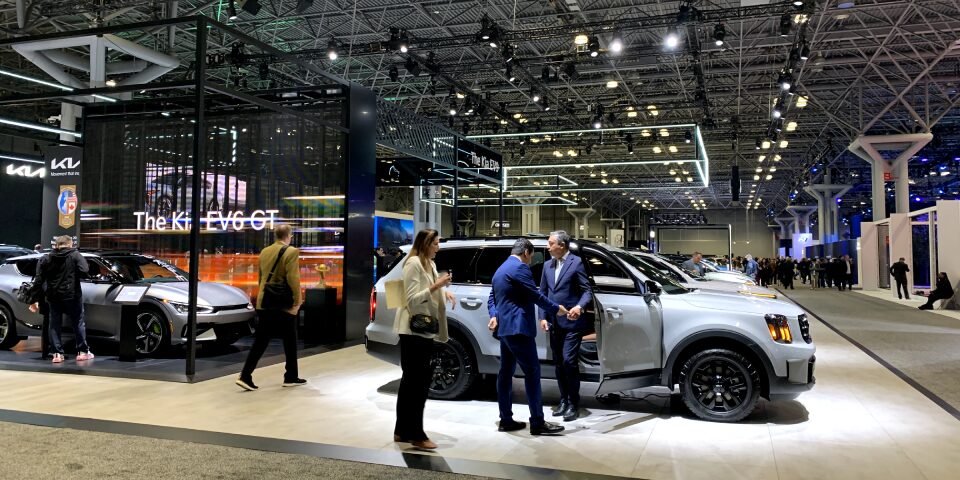
Furthermore, Japanese and Korean brands, now well-established in the American market, also played a major role, showcasing a diverse range of models. In particular, the Kia-Hyundai group received several prestigious awards, highlighting their impact on the automotive industry.
However, visitors observed the notable absence of emerging Asian newcomers such as BYD, Nio, and Vinfast, who have made a mark at European shows. Consequently, this disparity raises questions about these manufacturers’ strategies for entering the American market.
© Lizeo
Where Have the Electric Vehicles Gone?
Despite the growing global enthusiasm for electric vehicles (EVs), the NYIAS highlighted a contrasting trend. In fact, only about 20% of the showcased vehicles were electric or hybrid, while internal combustion models dominated. This situation is in stark contrast to European shows, where EVs are becoming increasingly prevalent.
To counter this, the show attempted to address this disparity by dedicating an entire hall to an “EV Test Track.” Nevertheless, only a few manufacturers responded by showcasing their electrified models there.
The Decline of Concept Cars
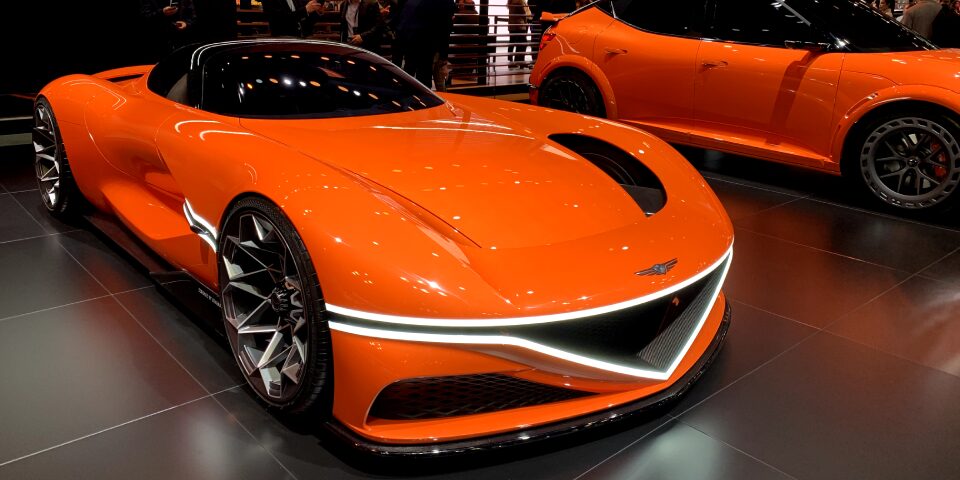
Another notable trend is the gradual disappearance of concept cars. Indeed, automakers have largely forsaken these futuristic vehicles in favor of 3D presentations. They are now using CGI to showcase their new styling directions. As a result, only two concept cars were presented at the NYIAS, signaling that the automotive industry is evolving toward more pragmatic presentation methods.
© Lizeo
Our Favorites
Among the many models exhibited, a few particularly caught our attention. First, the Lucid Air, a luxury electric sedan, impressed with its power, comfort, and quality of finish. Next, the new Ford Mustang GTD, derived from the competition car, also excited visitors. Finally, the Hyundai Santa Cruz, a compact pickup based on the Tucson, drew looks, as did the fully electric Porsche Macan and the luxurious electric SUV Cadillac Lyriq.
Revelation of the World Car Awards
Finally, the show was the stage for the announcement of the World Car Awards, presenting awards in several categories. For example, among the winners are the Kia EV9, voted Car of the Year. Similarly, the BMW 5 Series (i5) won the title of World Luxury Car, and the Hyundai Ioniq 5 N was designated as the World Performance Car. These awards demonstrate the innovation and quality of the vehicles showcased at the NYIAS 2024.
In conclusion, the New York International Auto Show 2024 offered a fascinating glimpse into the global automotive industry. It successfully highlighted emerging trends and the new challenges facing manufacturers. Despite some notable absences and diverging trends compared to European shows, the event confirmed the vitality and diversity of the American automotive market.
© Lizeo